
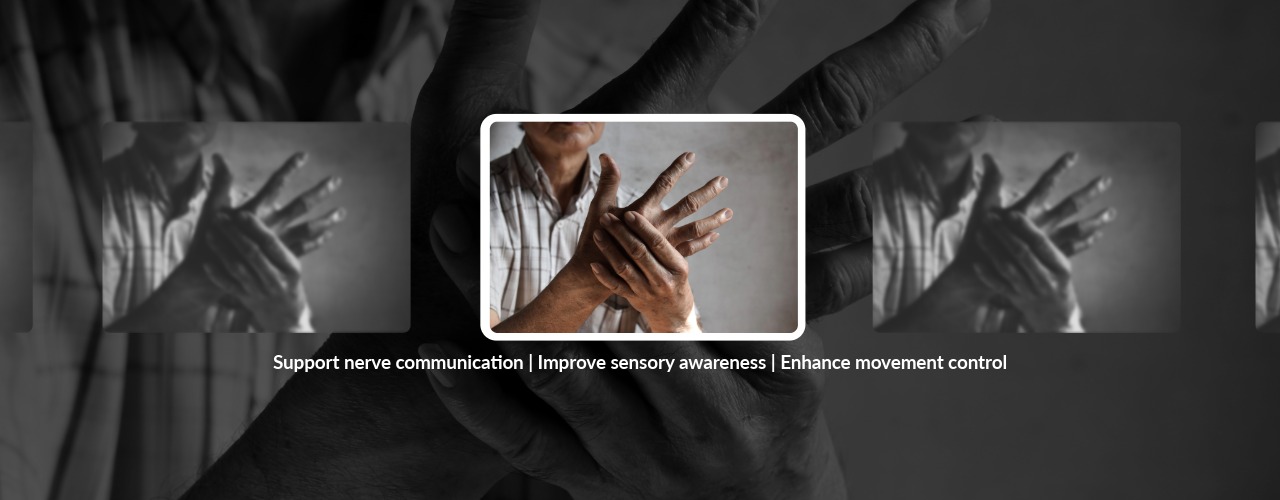
Nerve symptoms can make recovery feel uncertain. Burning, numbness, tingling, weakness, and poor coordination may continue even after an injury has healed. This often leads patients to ask whether using the Neubie for nerve healing can help damaged nerves recover. While the Neubie does not directly grow new nerves, the Neubie treatment method we use at NeuFit HQ can create conditions that support neuromuscular function, sensory awareness, and the body’s natural recovery processes.
Clearing Up the Biggest Nerve Recovery Myths
Nerve healing is complex. Recovery depends on the type of nerve involved, the location and severity of the damage, the underlying cause, and the person’s overall health. Understanding what rehabilitation can and cannot do helps patients make informed choices.
Myth 1: The Neubie Directly Regrows Damaged Nerves
The Neubie absolutely supports rehabilitation, but it doesn’t directly regenerate nerve tissue. It’s true that peripheral nerves have some natural capacity to repair themselves when the nerve remains intact or the damage is limited. However, that process occurs gradually and depends on factors such as blood flow, metabolic health, the distance the nerve must recover, and whether ongoing compression or disease is present.
The Neubie treatment method uses direct current electrical stimulation alongside guided movement and sensory exercises to help improve communication among the brain, nerves, and muscles. Using the Neubie for nerve healing is therefore best understood as a way to support functional rehabilitation while the body carries out its own biological repair processes.
Myth 2: Numbness Means the Nerve Is Permanently Damaged
Numbness can have many causes, such as swelling, compression, neuropathy, and more. However, it does not automatically mean permanent nerve loss.
A careful evaluation can help identify how sensation, movement, and muscle activation have changed. During the Neubie treatment method, one of our clinicians uses electrical input to locate areas where the nervous system is not responding efficiently. Treatment can then pair that input with purposeful movement to help the patient recognize sensation and practice more coordinated muscle activity.
Improvement varies, and some nerve conditions require additional medical evaluation. Accurate assessment is essential before making assumptions about recovery.
Myth 3: Neubie for Nerve Healing Is Just Passive Electrical Stimulation
The device provides electrical input, but the treatment method involves much more than placing electrodes and waiting for relief. Our clinicians adjust electrode placement and stimulation settings according to the patient’s response. Patients also complete controlled exercises while receiving that input.
Depending on individual needs, a session may include:
- Sensory retraining
- Muscle activation exercises
- Balance and coordination activities
- Functional movements
- Mobility exercises
- Gradually progressed strengthening
This combination gives the nervous system repeated opportunities to receive information, organize a response, and produce movement. The goal is to help the body practice more effective patterns that may carry over into everyday activities.
Myth 4. If a Nerve Can Heal, Rest Is All It Needs
Rest may protect an irritated nerve initially, but appropriate movement often plays an important role in rehabilitation. Too little activity can contribute to weakness, stiffness, reduced circulation, and declining confidence in movement. At the same time, doing too much too soon may increase symptoms. Successful rehabilitation usually requires the right level of challenge.
A clinician using the Neubie for nerve healing can adjust treatment based on the nervous system’s response. Gentle electrical input may help engage muscles that are difficult to activate voluntarily. Movement can then be introduced gradually, giving the brain and body meaningful practice without relying on excessive physical load.
The goal is not to force a damaged nerve to recover. Instead, our focus is on supporting safe activity, maintaining function, and helping the nervous system make the best use of the signals it can send and receive.
Myth 5. More Intense Stimulation Produces Faster Results
Electrical stimulation should feel noticeable, but care doesn’t need to be painful to be useful. In fact, excessive intensity may cause guarding, discomfort, or fatigue, which can interfere with movement quality.
The Neubie treatment method allows stimulation to be adjusted throughout treatment. Our team considers sensation, muscle response, symptoms, and movement control when selecting an appropriate level. Progress comes from consistent, well-targeted practice rather than pushing through the strongest possible setting.
Individual responses also vary. Some patients notice changes in muscle activation or sensation relatively quickly, while others require a more gradual process. No responsible provider should guarantee nerve regrowth or promise a specific recovery timeline.
Knowledge and Support for the Road Ahead
At NeuFit HQ, patients receive honest education about what the Neubie treatment method may accomplish and where its limitations lie. The team evaluates each person’s symptoms, movement patterns, and functional goals before creating a personalized plan.
If nerve-related symptoms are affecting your comfort, strength, balance, or daily activities, Neubie for nerve healing might be beneficial. Reach out today to explore supportive, neuro-focused care built around your needs.




Leave a Reply