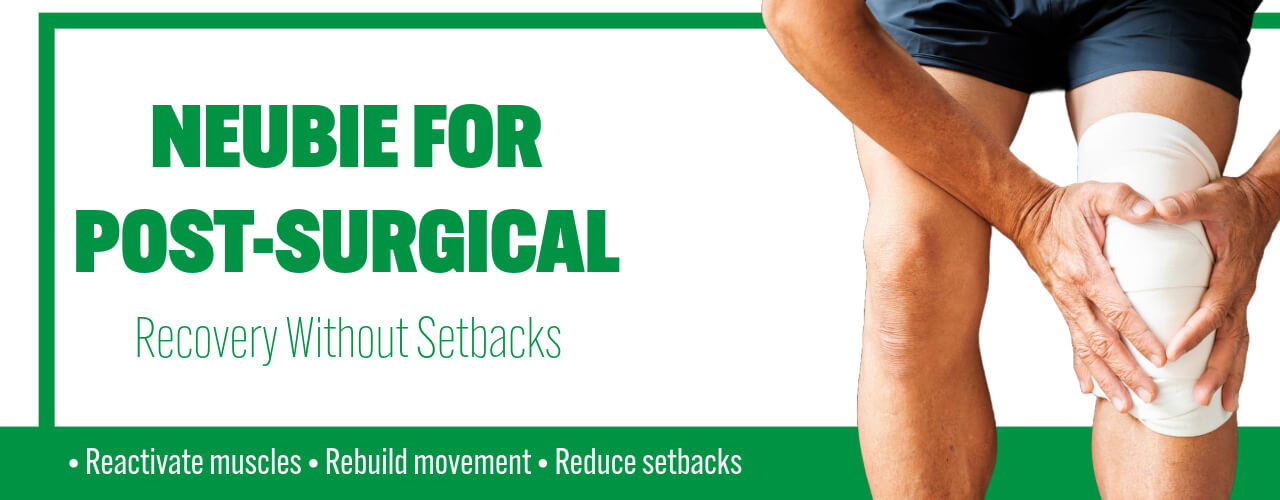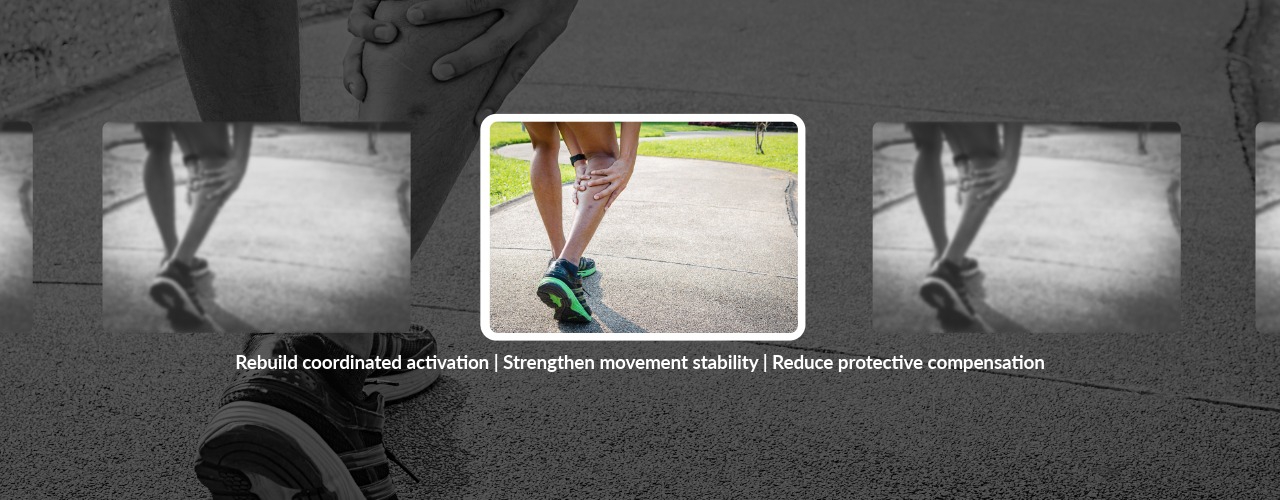
Recovering from an orthopedic injury is about more than waiting for tissues to heal. Your brain and muscles also need to reconnect so you can move with confidence again. That is where Neubie muscle activation becomes an important part of the recovery process. By helping muscles respond more effectively after injury, the Neubie treatment method at NeuFit HQ supports healthier movement patterns, reduces unnecessary compensation, and helps patients return to daily activities with greater confidence.
Common Questions About Neubie Muscle Activation and Orthopedic Recovery
Why is muscle activation so important after an orthopedic injury?
After an injury or surgery, the body naturally tries to protect the affected area. While this protective response is helpful at first, it can also cause nearby muscles to become less active than they should be.
When muscles are not working properly, patients may notice:
- Weakness during everyday movements.
- Poor balance or stability.
- Difficulty rebuilding strength.
- Extra stress placed on surrounding joints and muscles.
Successful orthopedic rehabilitation is not just about healing damaged tissue. It is also about teaching the nervous system to recruit the right muscles again. When muscles activate more efficiently, movement becomes smoother and more controlled, creating a stronger foundation for long-term recovery.
How does Neubie help muscles become active again?
At NeuFit HQ, we use the Neubie direct current stimulation device as part of a comprehensive rehabilitation approach. Rather than simply making muscles contract, the treatment helps our clinicians identify areas where communication between the nervous system and muscles has become inefficient.
With Neubie muscle activation, the nervous system receives gentle electrical input while you perform guided movements. This encourages muscles that have become underactive to participate more naturally during rehabilitation.
The goal is to help patients:
- Restore healthier movement patterns.
- Improve coordination.
- Build strength more efficiently.
- Reduce compensations that can slow recovery.
Because the treatment is combined with active movement and individualized therapy, it supports functional improvements rather than isolated muscle contractions.
Can activating muscles sooner speed recovery?
Appropriate muscle activation can support a more efficient rehabilitation process because active muscles provide better support for healing joints and surrounding tissues. When muscles begin contributing appropriately again, patients often experience improvements in:
- Stability during movement.
- Walking and daily activities.
- Overall confidence.
- Functional strength.
Will activating injured muscles increase my risk of getting hurt again?
This is one of the most common concerns patients have, and the answer depends on how rehabilitation is performed.
The Neubie treatment method is designed to work alongside a carefully guided rehabilitation program. Treatments are individualized based on each patient’s condition, healing stage, and movement ability.
Rather than forcing aggressive exercise, our team focuses on restoring proper muscle recruitment during controlled movements. This allows patients to challenge their nervous system while respecting healing tissues.
Furthermore, every treatment session is adjusted to your current abilities. We continually monitor your response, helping you progress safely while minimizing unnecessary strain on recovering structures.
How does Neubie muscle activation fit into my overall rehab plan?
Muscle activation is only one part of successful recovery, but it is an important one. Neubie muscle activation is incorporated into a broader neuro-first rehabilitation approach that addresses movement quality instead of simply treating symptoms.
Depending on your needs, treatment may include:
- Guided therapeutic exercises.
- Balance and coordination training.
- Functional movement retraining.
- Strength progression.
- Education to support long-term recovery.
By combining these elements, rehabilitation focuses on helping your body move better as a whole.
Can this approach help if I still feel weak months after my injury?
Yes. Even after tissues have healed, some muscles may still not activate efficiently because the nervous system has developed protective movement patterns. This means that some patients have technically completed their therapy, but they never fully regained their previous strength or confidence.
At NeuFit HQ, our providers evaluate how your muscles work together during movement instead of focusing only on the injured area. This comprehensive assessment helps identify lingering neurological limitations that may still be affecting your recovery, allowing your rehabilitation plan to target the root cause of persistent weakness.
Who can benefit from this type of orthopedic rehabilitation?
Many patients recovering from orthopedic conditions may benefit from improved muscle activation, including those recovering from:
- Joint injuries.
- Tendon or ligament injuries.
- Orthopedic surgery.
- Sports injuries.
- Persistent weakness after rehabilitation.
- Chronic movement limitations following injury.
Every rehabilitation program is individualized to ensure treatment matches your goals, condition, and current stage of healing.
Take the Next Step Toward Better Recovery
Recovering from an orthopedic injury involves more than waiting for pain to disappear. Restoring healthy communication between your nervous system and muscles can play a meaningful role in rebuilding strength, improving movement, and helping you return to the activities you enjoy.
If you’re ready to learn whether Neubie muscle activation can help you, contact NeuFit HQ today to schedule a personalized evaluation and begin a rehabilitation plan designed around your unique recovery goals.